
Operational Solutions
Logistics Management System
Track shipment and transfer movements end to end.
Link the movements of products, cartons, pallets and other logistics units during preparation, loading, shipping, transfer and receiving to operational records. Run barcode and RFID infrastructure together with existing corporate systems according to project requirements.

Operational flow
How Is the Logistics Flow Managed?
Physical load movements are linked to operational records through the steps of preparation, verification, dispatch, transfer and arrival.

- 01PreparationProducts, cartons, pallets and other logistics units within a shipment or transfer are linked to the operational record.
- 02VerificationThe prepared load can be checked with barcode, RFID or the identification infrastructure used in the project.
- 03Loading and dispatchLoading and site-exit movements are linked to the relevant shipment or transfer operation.
- 04TransferMovement information between source and destination points is tracked with system records within the project scope.
- 05Arrival / receivingAcceptance or delivery movement at the destination point is recorded, completing the relevant operational step of the logistics flow.
Logistics processes
Core Operational Areas
- Shipment preparationCreating the load and shipment scope with an operational record.
- Load and order verificationChecking the prepared load with the identification infrastructure.
- Loading / site exitMatching the dispatch movement to the relevant shipment or transfer.
- Transfers between warehousesTracking movement between source and destination points.
- Goods receipt / arrival checkRecording the acceptance and delivery event at the destination point.
- Returns and reverse logisticsLinking returning loads to the relevant operational record.
Integration
From physical movement to digital record
An identified logistics unit can be verified through the field infrastructure and linked to a shipment, transfer, delivery or return event.
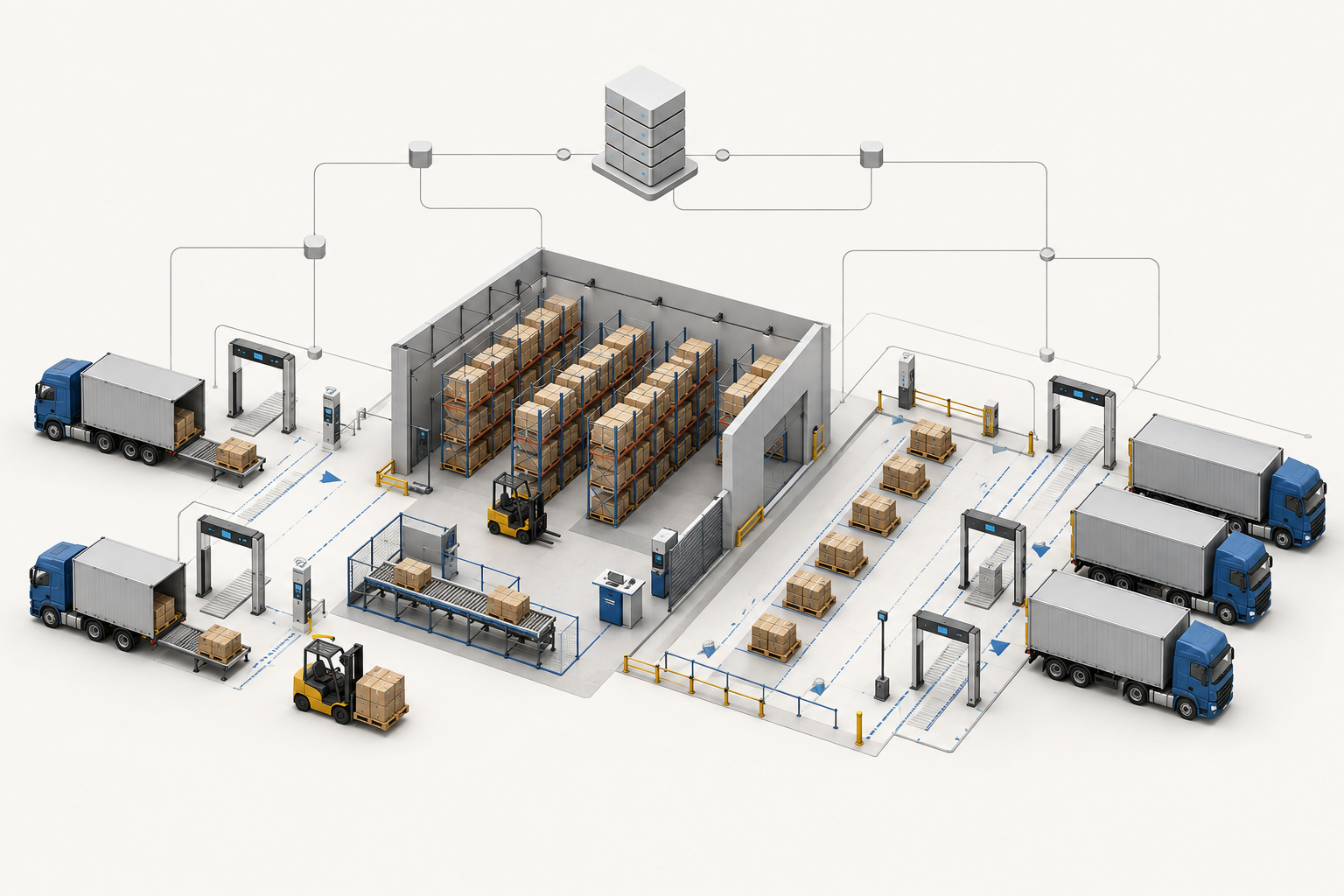
The identification method and integration scope are determined by existing processes and project requirements. API, file transfer or other project-defined methods can be considered.
Areas of application
Where Is It Used?
- Transfers between warehousesTracking load movements between source and destination warehouses with an operational record.
- Distribution and shipping operationsHandling preparation, loading, dispatch and arrival steps together.
- Material movements from production to warehouse / warehouse to productionLinking material flow with production and warehouse operations.
- Store and branch replenishment operationsTracking transfer and receiving movements of loads sent to branches or stores.
- Returns and reverse logistics processesBringing returning products, cartons and transport units into the operational flow.
Identification infrastructure
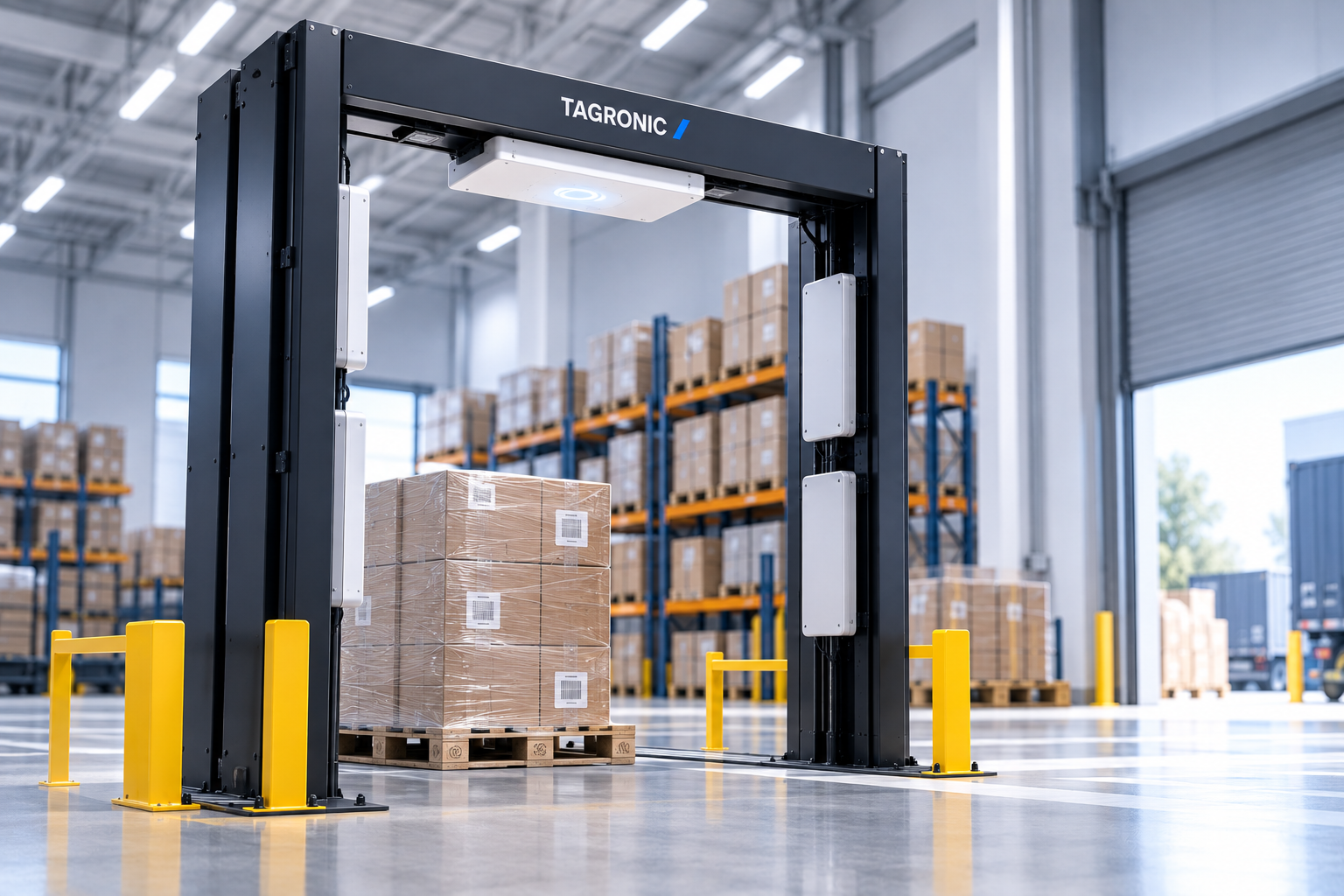
Barcode, RFID, mobile computers, fixed readers, printers/labels or a hybrid identification approach can be evaluated according to the real requirements of the logistics process.


Technical information
Frequently Asked Questions About the Logistics Management System
Share your line conditions and product structure, and our engineers will assess the right solution with you.
Contact Us ↗What is the difference between a Logistics Management System and a Warehouse Management System?
A Warehouse Management System focuses mainly on stock, location, shelves, picking and in-warehouse operations. A Logistics Management System addresses which load is associated with which shipment or transfer, the dispatch and arrival movements, and the operational record of those movements.
Can barcode and RFID be used in the same logistics process?
Depending on project requirements, barcode and RFID can be used together in the same process or in different operational steps. Mobile terminals, fixed readers and printer/label infrastructure are also evaluated according to the flow.
How is shipment verification done?
The prepared load can be checked with barcode, RFID or another identification method defined within the project. The expected contents, shipment record and field steps are linked according to existing operational rules.
Can transfers between warehouses be tracked in the system?
Source, destination, load and transfer movements can be recorded according to the processes and data fields within the project scope. The events to be tracked and the information to be transferred are determined by reviewing the existing system structure.
Can it be integrated with our existing ERP or WMS?
A suitable integration method can be determined by reviewing the data structure and process scope of the existing ERP or WMS. The transfer scope and method are planned via API, file transfer or other project-defined options.
FOR YOUR LOGISTICS OPERATIONS
Let's bring physical movement together with the right operational record.
Together we review your load structure, shipping steps, identification infrastructure and existing systems to build the right logistics management structure.