
Flows that reduce manual workload with RFID and barcode.
RFID, Barcode, and Automation
Track Inventory, Assets, and Field Movement in Real Time
RFID and barcode systems that reduce manual counting, lost items, and shipment errors while integrating with your existing workflows.
RFID + Barcode
Tracking in one infrastructure
ERP / WMS
Integration-ready data flow
Field support
From setup to daily use

Verification across receiving, loading, and delivery steps.
Track location, assignment, and movement history.
Transfer field data into existing business systems.

About Tagronic
Our Innovative Approach in the Industry
We are a system integrator delivering business-specific solutions with RFID technology.
Tagronic is a Turkey-based RFID technology solutions provider. We are a team specialized in automation and efficiency.
System integrator
We handle RFID, barcode, mobile device, and software components with one project discipline.
Field-ready design
We plan read range, tag type, device selection, and data flow together with the operation.
Sustainable support
After commissioning, we support usage, improvement, and expansion steps with technical guidance.
Video
Watch the RFID and Barcode Solution Approach
See how tracking, verification, and integration fit into field operations in a short video.
RFID Guide
Frequently Asked Questions About RFID
A good RFID investment starts with the right use case before device selection. Here are clear answers to the most common questions.
01 What is RFID?
RFID is an automatic identification technology that uses radio frequency to identify products, assets, equipment, or people without contact. It combines tags, readers, antennas, and software.
02 How is RFID different from barcode?
Barcode is usually scanned one item at a time and requires line of sight. RFID can read multiple tags at once without direct contact or visual alignment when the setup is suitable.
03 Where is RFID used?
RFID is used in stock counting, warehouse in-out flows, shipment verification, asset tracking, manufacturing traceability, store inventory, library workflows, and personnel transitions.
04 Is RFID suitable for every product?
No. Product material, liquid or metal impact, reading distance, tag cost, and operational goals must be evaluated together.
05 How should an RFID project start?
It should start with field discovery and a clearly selected target process. Then tag type, reader position, read performance, and integration needs should be tested in a small pilot area.
06 Can RFID integrate with ERP or WMS?
Yes. RFID reads can be transferred to ERP, WMS, custom APIs, or reporting screens. The real value comes from connecting field data to existing business systems correctly.
07 Why is RFID tag selection important?
Frequency, form factor, mounting surface, durability, and read distance directly affect performance. The wrong tag can reduce success even with good hardware.
08 Does RFID make counting fully automatic?
In some scenarios it largely automates counting; in others, controlled counting is performed with mobile devices. The right model depends on warehouse layout and data needs.
09 How is RFID return on investment measured?
Metrics such as counting time, error rate, lost items, shipment accuracy, staff workload, and inventory visibility are compared before and after the pilot.
10 How long does RFID installation take?
Timing depends on site size, tag quantity, reader points, and integration scope. A clear schedule is prepared after field discovery and pilot planning.
Integration and Data
Turn Field Data into Decisions
We do not leave RFID and barcode reads as standalone device output; we design data flows that can connect to ERP, WMS, custom APIs, and reporting layers.
Discuss Integration NeedsPreserve existing systems
We plan a data model and transfer scenario suited to your ERP, WMS, or custom software.
Barcode + RFID together
We position the right automatic identification technology for each workflow.
Standards-aware architecture
We design product, location, event, and movement data around traceability logic.
Measurable reporting
We make counting, shipping, loss, location, and usage data trackable.
How We Work
Start with a Pilot, Scale with Measured Results
The healthiest path in RFID and barcode projects is to understand the field, validate in a focused area, and expand based on measured outcomes.
Field Discovery
We clarify read points, tag type, process flow, and integration needs.
Pilot Setup
We test read performance, speed, and operational impact in a selected area or process.
Integration
We connect the validated flow to ERP, WMS, custom APIs, or reporting layers.
Scale-Up
We expand deployment, build user habits, and manage the support process.
Let Us Start with an Outcome Analysis for Your Project
Share your field conditions, existing systems, and target workflow; we will clarify the right RFID, barcode, software, and integration approach together.
Featured
Featured Products
A compact look at selected devices frequently used in RFID and barcode projects.
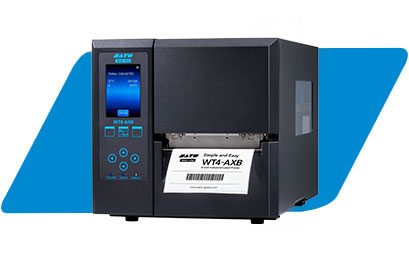 WT4-AXB Series
 is an industrial label and barcode printer designed for label, barcode and operational printing workflows.
WT4-AXB Series
WT4-AXB Series is an industrial label and barcode printer designed for label, barcode and operational printing workflows.
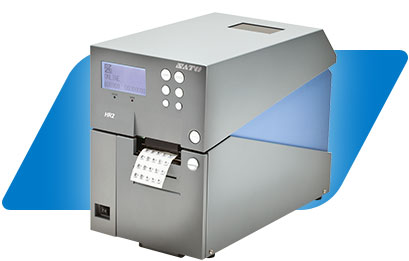 HR2 Series
 is an industrial label and barcode printer designed for label, barcode and operational printing workflows.
HR2 Series
HR2 Series is an industrial label and barcode printer designed for label, barcode and operational printing workflows.
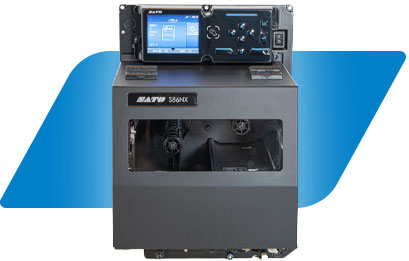 S86NX
S86NX is an RFID label printer designed for label, barcode and operational printing workflows.
S86NX
S86NX is an RFID label printer designed for label, barcode and operational printing workflows.
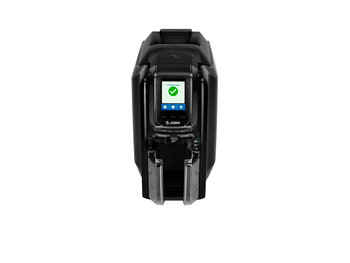 Zebra ZC350 UHF Single-sided Printer
 is an RFID label printer designed for label, barcode and operational printing workflows.
Zebra ZC350 UHF Single-sided Printer
Zebra ZC350 UHF Single-sided Printer is an RFID label printer designed for label, barcode and operational printing workflows.
RFID Transformation
Let Us Plan Your RFID Project
Share your need and we will clarify the right hardware, software, and integration path.